


Dalit newlyweds denied temple entry in Karnataka’s Tumakuru: Accused tells couple to worship at home
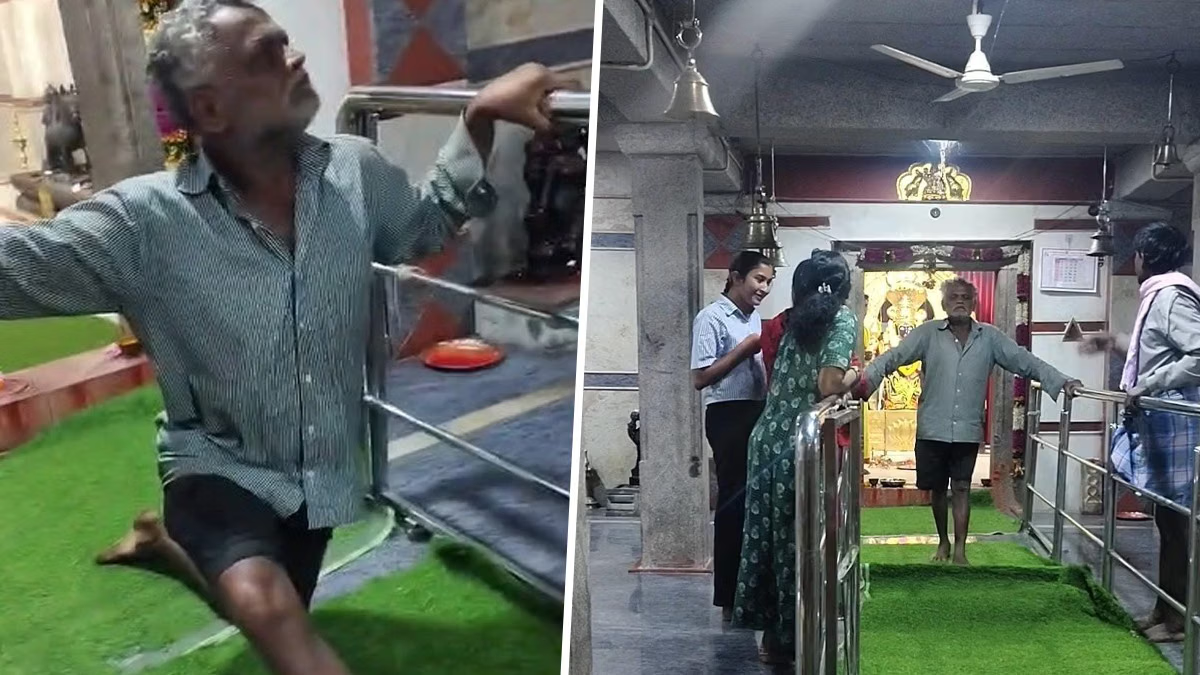
A Dalit couple was stopped from entering a temple in Tumakuru district, Karnataka. The young couple had recently married. When they arrived at the temple, a man named Narayanappa prevented them from entering.
He told them that Dalit people should worship at home and not come to the temple. The incident occurred on 21 February at the Arasamma temple in Tumakuru village.
The couple filed a police complaint against five people. They said that Narayanappa had publicly threatened them, and others present at the temple had supported him.
Following the complaint, police arrested the main accused, Narayanappa. The other accused are still absconding, and police say the search for them is ongoing.
A dispute broke out between people of Hindu and Muslim communities during Shivaji Jayanti in Bagalkot.
A dispute broke out between people of Hindu and Muslim communities during Shivaji Jayanti in Bagalkot.
February 20: Hindu-Muslim dispute erupted on Shivaji Jayanti
A Shivaji Jayanti procession was held in Bagalkot on Thursday night around 10 PM. When it passed the Panka Mosque area, stones and slippers were thrown at the procession. Bagalkot SP Siddharth Goyal said a policeman was injured in the stone-pelting.
The SP said police are reviewing CCTV footage. Action will be taken against the culprits once the footage is examined. Section 163 of BNS will remain in force in the area until midnight on 24 February. The situation is under control.
Eyewitness Umesh said the incident occurred near the mosque during the procession. Around 8–10 people threw stones and slippers. No arrests have been made yet.
Meanwhile, police confirmed that on 20 February, during the Shivaji Maharaj Jayanti procession in Bagalkot district, shoes, slippers, and stones were thrown at the procession near a mosque.
Courtesy : Bhaskar English
Note: This news is originally published on https:/bhaskarenglish.com/bha and is used purely for non-profit/non-commercial purposes, especially human rights